
Pond Maintenance Q&A: Answers to Your Top Questions
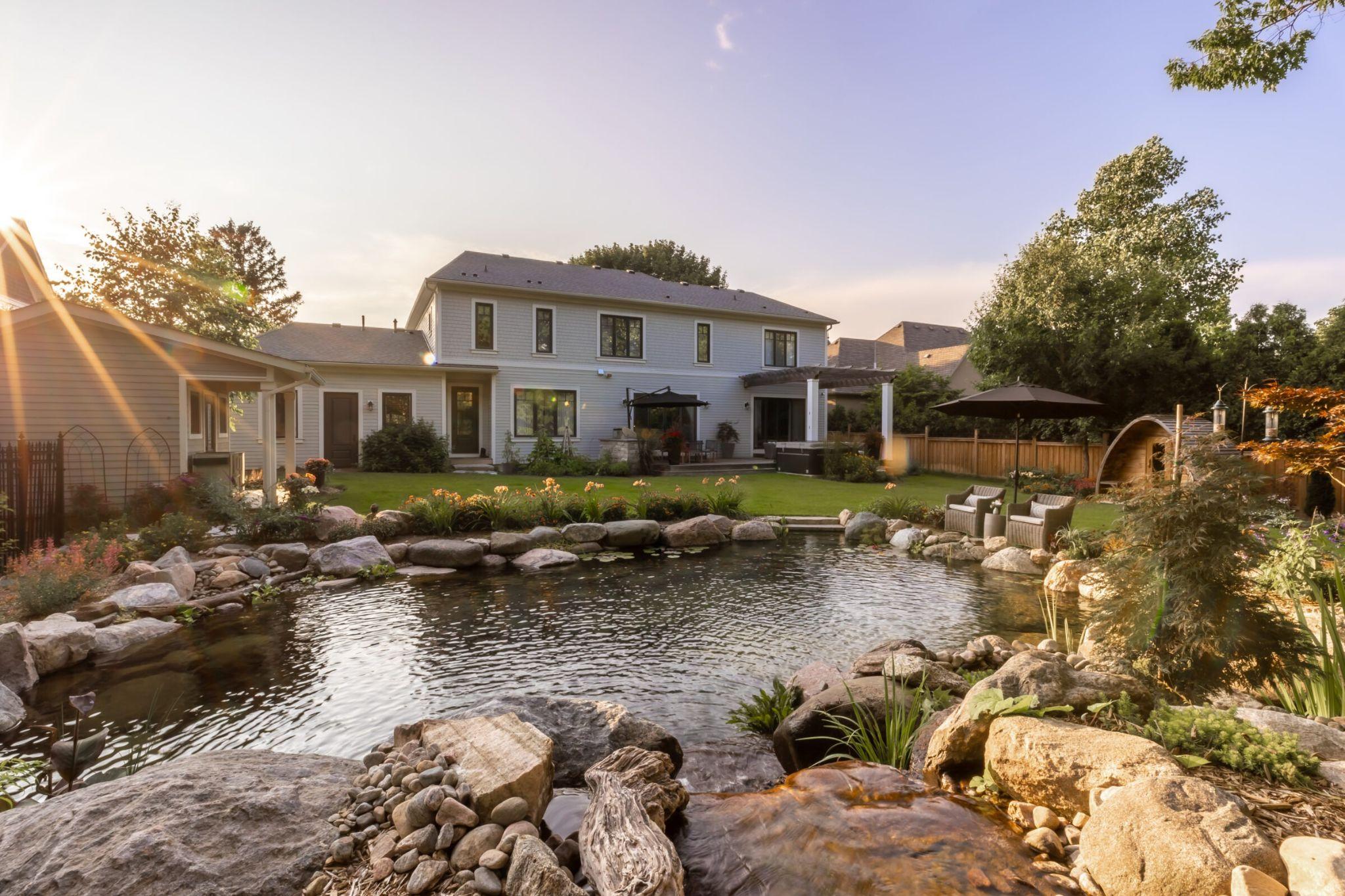
Caring for a pond can feel confusing. You may notice cloudy water, algae growth, or unusual seasonal changes. These moments often lead to searching the same pond maintenance questions again and again. You want clear answers that actually help, not conflicting advice that adds stress. The good news is that healthy pond care follows steady patterns. When you understand what your pond needs and when it needs it, everything becomes easier. The answers below are designed to guide you with clarity and confidence.
How Often Should I Clean My Pond?
The answer depends on size, plant life, fish load, and seasonal debris. Most residential ponds benefit from deep cleaning once a year.
Weekly care focuses on surface skimming and checking equipment. Seasonal cleanings usually happen in spring. These remove settled debris before it breaks down and affects water quality. Consistency matters more than intensity when addressing pond maintenance questions like this.
For a comprehensive, step-by-step plan covering all aspects of year-round pond care, from spring start-up to winter close-down, explore our full guide on keeping your water feature healthy in every season.
What Does Regular Pond Maintenance Involve?
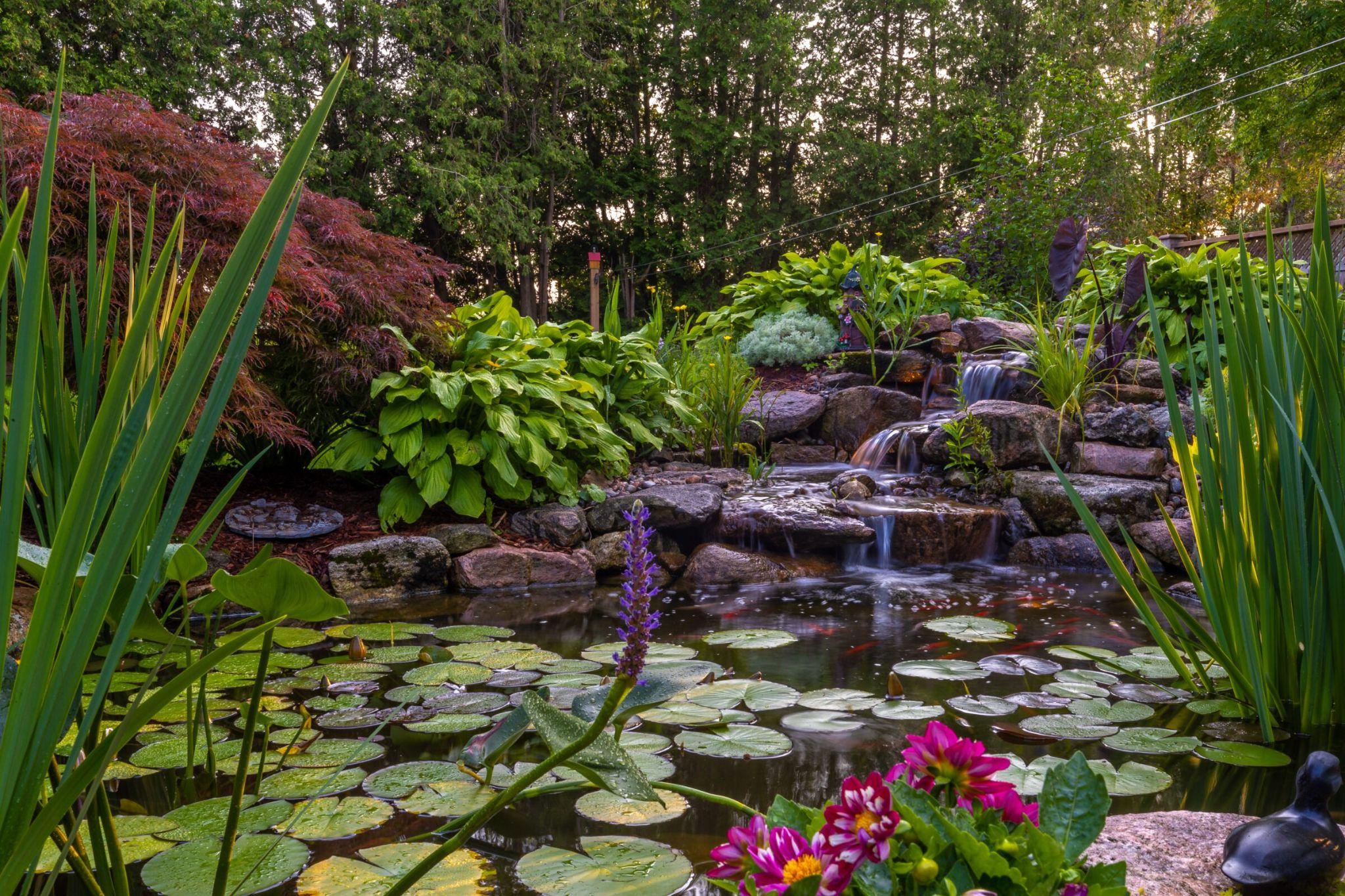
Many pond maintenance questions center on what regular care actually includes. Routine pond maintenance is about observation, small adjustments, and prevention. Regular tasks often include:
- Removing leaves and floating debris
- Checking pumps and filters
- Monitoring water clarity and odour
- Trimming plants as needed
These steps help you catch issues early. Long-term pond caretakers know that listening to what the pond is showing you matters. Over decades of design, build, and maintenance experience, it becomes clear that ponds respond best to consistent attention.
How Do I Keep My Pond Water Clear And Clean?
Clear water comes from balance, not constant scrubbing. Filtration, circulation, plants, and sunlight all work together.
Start by limiting debris and excess nutrients. Avoid overfeeding fish. Add aquatic plants that compete with algae. Make sure your pump runs efficiently.
Clear water does not mean sterile water. A healthy pond supports beneficial bacteria that help break down waste.
For more tips related to pond maintenance, read our detailed pond maintenance guide.
Why Is My Pond Water Green, and How Can I Fix It?
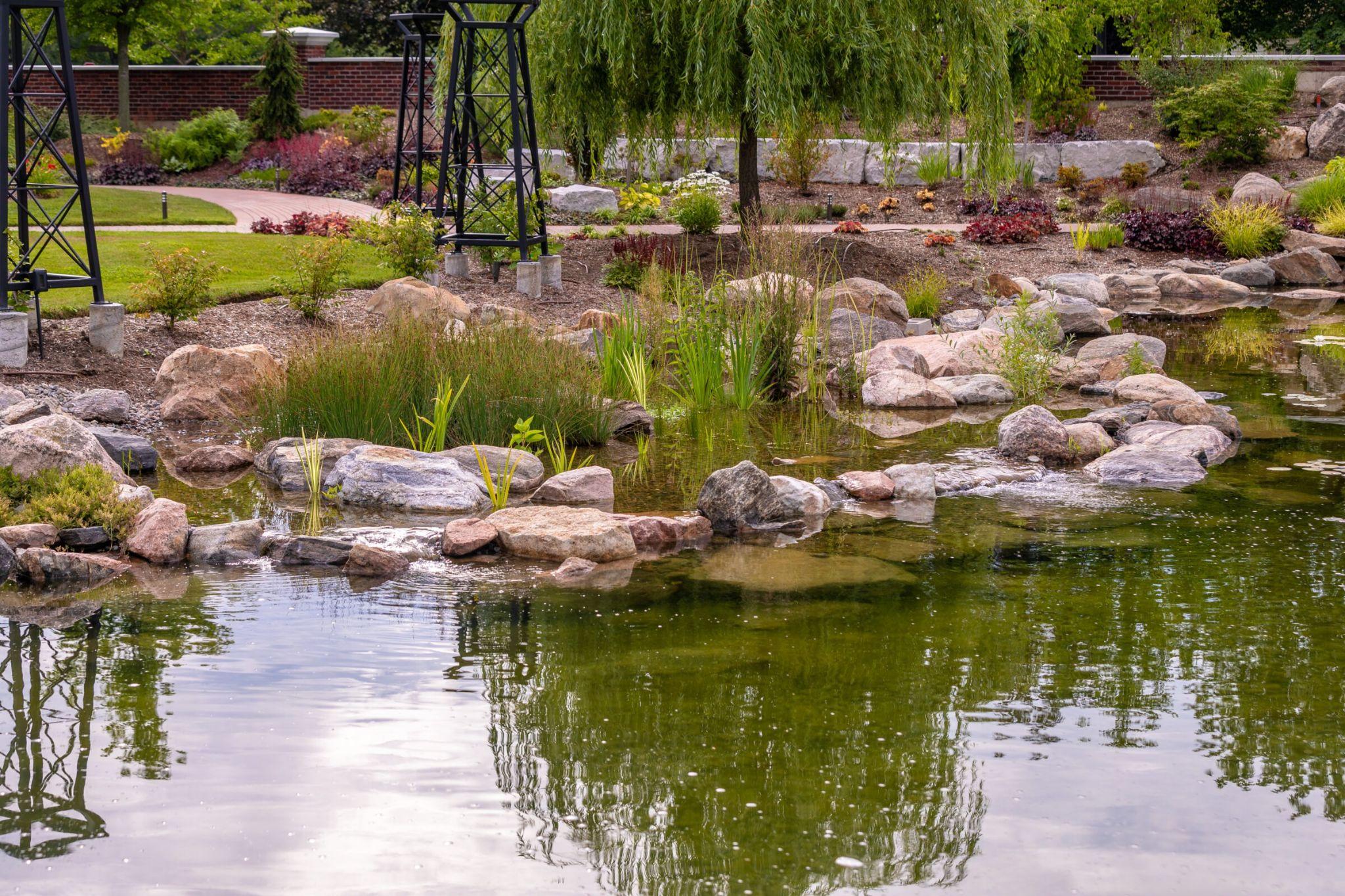
This pond maintenance question often comes up in warmer months. Green water is usually caused by suspended algae feeding on sunlight and nutrients.
You can address this by:
- Reducing direct sunlight with plants
- Improving filtration and circulation
- Removing decaying organic matter
Avoid quick fixes that shock the pond. Green water often clears once balance returns. Long-term pond care experience shows that ponds settle when guided gently.
How To Get Rid Of Algae In A Pond Without Chemicals?
Many pond maintenance questions focus on algae control without using harsh treatments. Natural algae control is effective when done correctly.
Helpful strategies include:
- Adding floating plants for shade
- Improving water movement
- Removing debris before it decomposes
Algae thrives on excess nutrients. When you reduce those inputs, algae loses its advantage. Pond specialists with long-standing maintenance experience have learned that chemical-free methods protect fish, plants, and water quality.
For more insights on algae treatments, read our comprehensive maintenance guide.
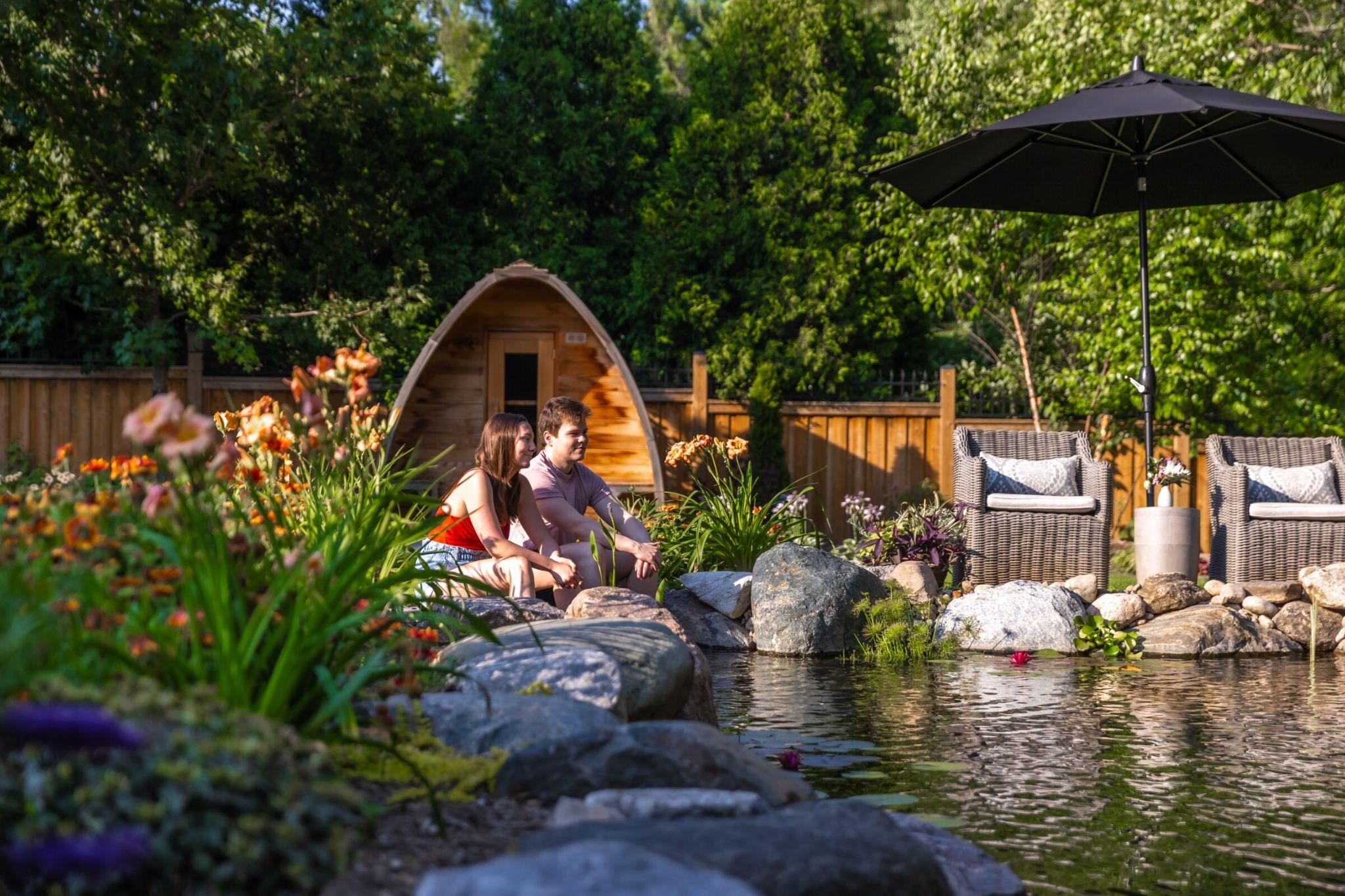
Do I Need A Filter And Pump In My Pond To Stay Healthy?
This depends on pond size and use. Most ponds benefit from both a pump and a filter, even smaller ones.
A pump keeps water moving, which prevents stagnation. A filter captures debris and supports beneficial bacteria. Ponds that are designed and maintained with care often include properly sized systems from the beginning.
Read our more in-depth guide to get more of your pond maintenance questions answered.
How Often Should You Clean Or Replace The Pond Filter?
Filters should be checked every few weeks during active seasons. Cleaning depends on debris load, plant material, and water clarity.
Always rinse filters with pond water rather than tap water. This protects beneficial bacteria. Replacement schedules vary by filter type, but many last several years with proper care. Professionals who maintain ponds long-term know that gentle cleaning extends equipment life and keeps systems stable.
Watching flow rates is important. Reduced flow often signals that attention is needed. You can learn more about successful pond maintenance in our detailed blog.
Can I Maintain A Pond Without Any Fish In It?
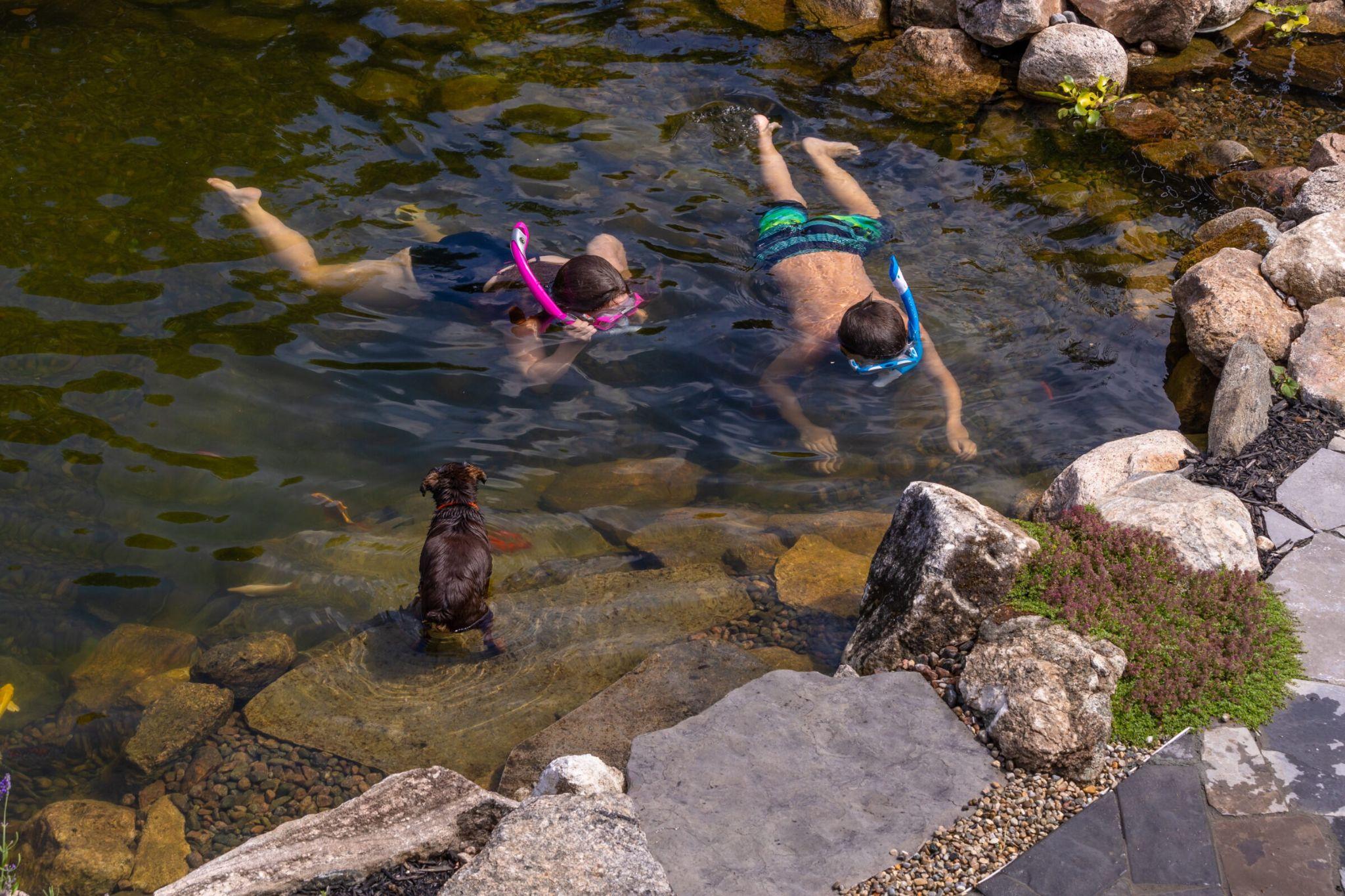
Yes, and this is a common pond maintenance question for decorative or reflective ponds. Fishless ponds still require care, but they are often simpler to manage.
You still need to:
- Control debris
- Support water circulation
- Manage plant growth
Without fish, nutrient levels may be lower, which can reduce algae pressure. However, standing water still needs movement. Experienced pond professionals who design and maintain a wide range of water features know that every pond benefits from thoughtful care, regardless of whether or not you have fish in the pond.
If you are looking for a deeper discussion about fish pond maintenance, we have a more insightful resource for all your pond maintenance queries.
How Do I Winterize A Pond?
Seasonal change brings many pond maintenance questions. Preparation depends on climate, pond depth, and equipment setup.
Key steps include:
- Removing fallen leaves
- Cutting back plants
- Checking pumps and filters
In colder regions, maintaining a small opening in the ice allows gas exchange. Professionals with locations in cold climates have seen how early preparation prevents spring damage.
If you’re looking for a deeper understanding of pond maintenance, we’ve created a comprehensive resource to answer all your questions.
When Should I Stop Feeding My Pond Fish?
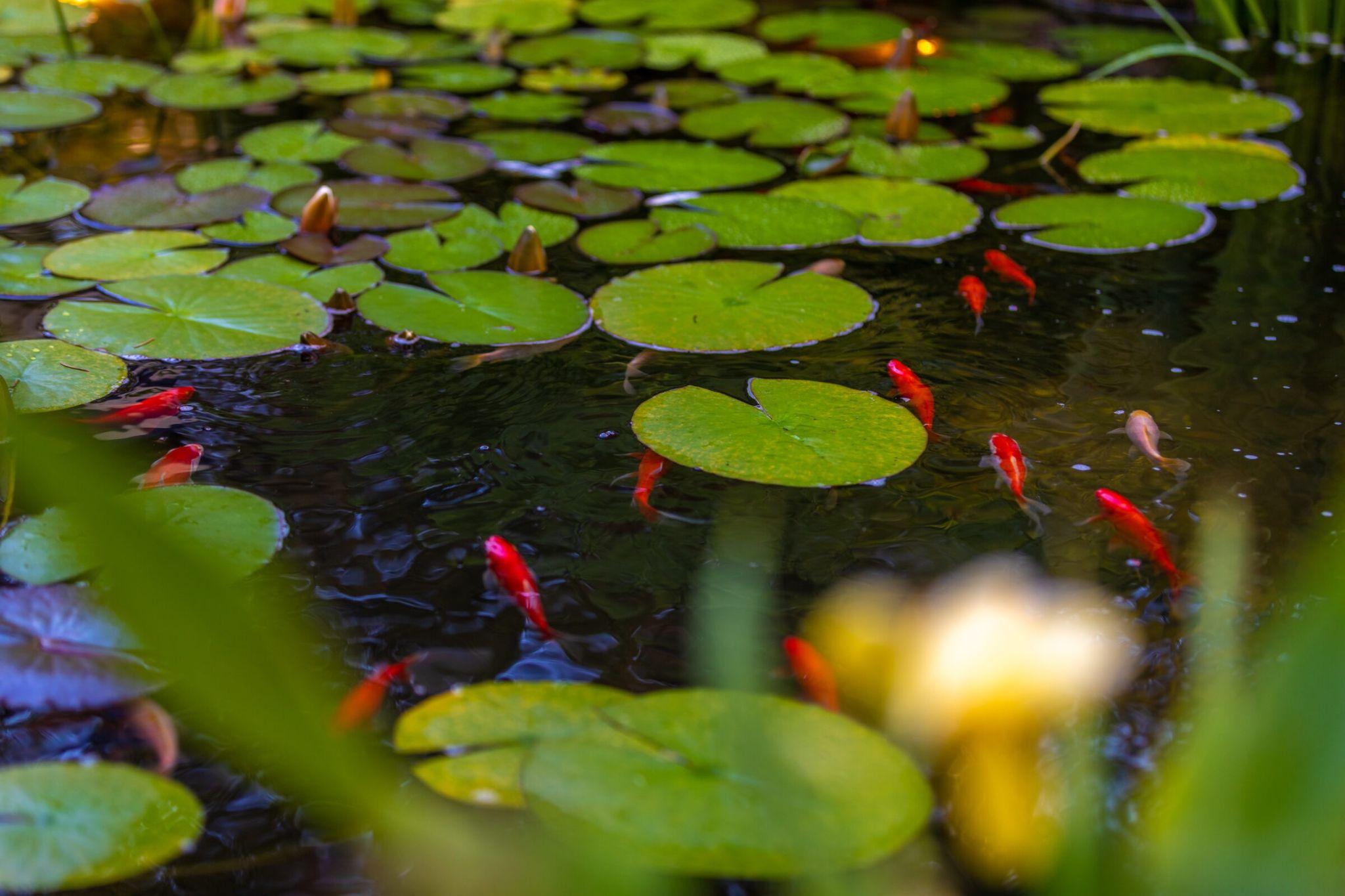
This pond maintenance question often comes up in the fall. Stop feeding fish when water temperatures consistently drop below 10°C. Fish digestion slows as water cools.
Uneaten food sinks and breaks down, which affects water quality. Long-term pond caretakers observe that fish do best when feeding follows temperature rather than calendar dates.
For a more thorough look at pond maintenance, explore our complete maintenance resource.
What Are The Best Natural Ways To Prevent Pond Sludge?
Pond sludge forms from decaying organic matter. Many pond maintenance questions focus on prevention rather than removal. Natural prevention begins with debris control.
Helpful steps include:
- Regular skimming
- Adding beneficial bacteria
- Managing plant debris
Good circulation also reduces buildup. Experienced maintenance teams see that sludge problems decrease when ponds are cared for steadily.
Should I Keep My Pond Pump Running All The Time?
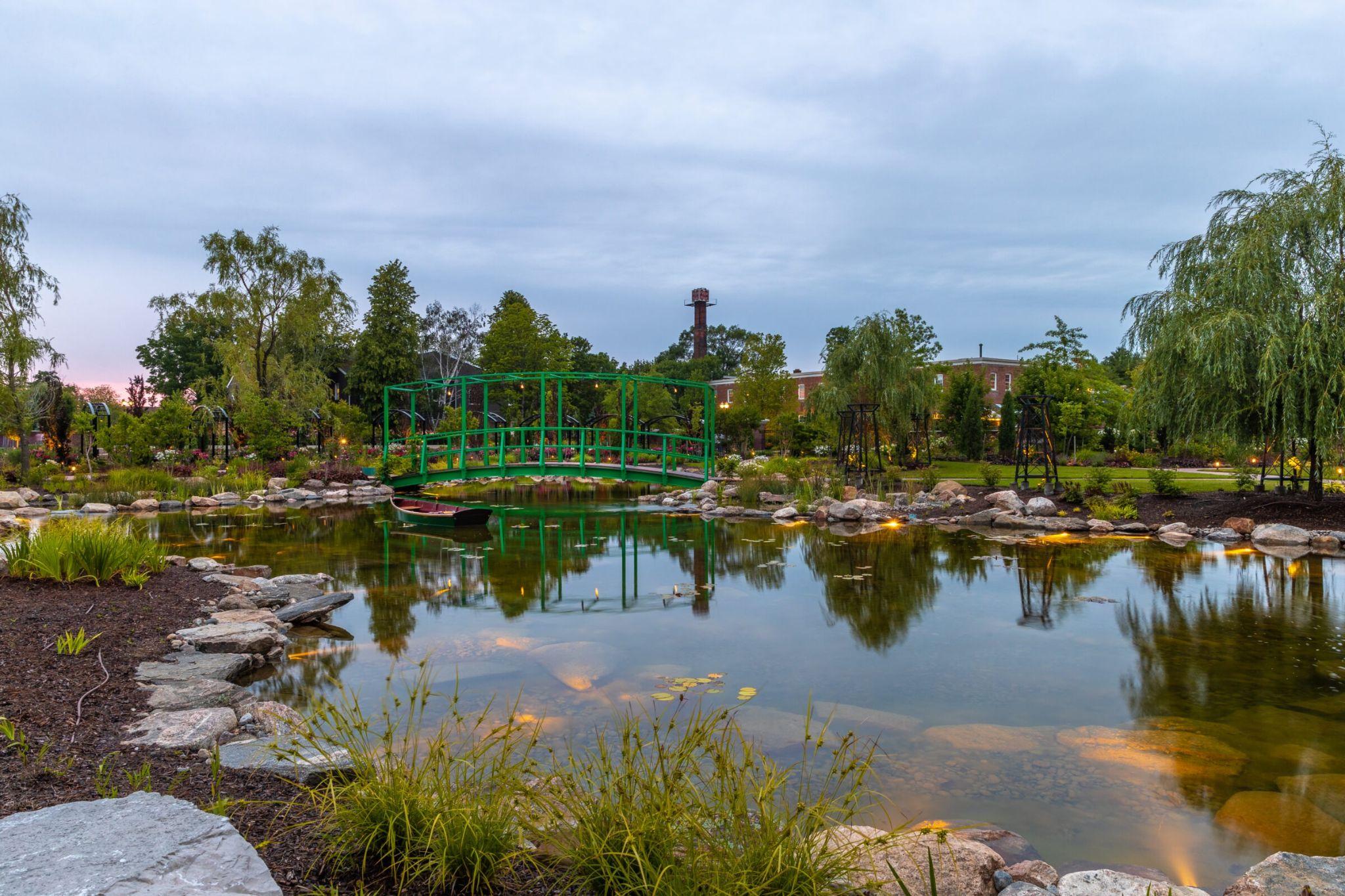
This is one of the most practical pond maintenance questions. In most cases, yes. Continuous circulation supports oxygen levels and filtration.
Turning pumps off for long periods can lead to stagnation. Seasonal exceptions may apply depending on climate and design. Professionals who maintain ponds year-round understand when adjustments are needed and how to avoid unnecessary problems.
Want to learn more about pond maintenance? Our in-depth resource offers expert guidance and practical tips.
When Is It Time To Call A Professional For Pond Maintenance Help?
Some pond maintenance questions signal when outside help is useful. Persistent water issues, recurring algae problems, or equipment concerns may benefit from professional guidance.
Good pond care is achievable. Clear habits, seasonal awareness, and gentle care build confidence over time. If you would like expert guidance tailored to your pond, you can book a consultation.
Tags: