
Pond Maintenance Guide: Keep Your Pond Healthy Year-Round
Owning a backyard oasis can be rewarding, but neglecting pond maintenance turns a tranquil retreat into a murky mess. Leaves settle, algae grow, and a water feature can turn into a source of frustration that requires regular pond upkeep. Many pond owners struggle because they underestimate how quickly a small problem can spiral out of control. You may feel overwhelmed trying to maintain your pond on top of your work and family life, especially if you’ve never established a routine before. The good news is that with a thoughtful schedule, you can keep your water feature clear and thriving without it becoming a burden.
Think of your pond as a living system. Water, fish, plants and beneficial bacteria all work together, but they need consistent pond maintenance to stay balanced. Routine care isn’t just about preventing problems; it’s about enhancing the enjoyment you get from your outdoor space. By setting aside a few minutes each week, you’ll protect your investment you’ve made and improve your pond maintenance routines for your pond. This guide walks you through why regular care matters, how often to perform key tasks and when to ask a professional for help. You’ll learn practical habits for maintaining your pond tailored to Canadian climates and discover simple tweaks that will save you time and money in the long run. You’ll also find inspiration in the entire philosophy of designing, building and caring for outdoor water features as part of a lifestyle.
Essential Weekly & Monthly Pond Care Tasks
Regular care is the backbone of a healthy pond ecosystem. Without your attention, debris and nutrients build up, algae blooms choke plants and fish, and the system quickly becomes unstable. Overfeeding and overcrowding fish can overwhelm the natural balance, leaving water cloudy and the fish stressed. Beneficial bacteria convert fish waste and ammonia into less harmful nitrates, but they can be overwhelmed if muck accumulates. By performing simple tasks like skimming debris and keeping your filter running you maintain a stable nitrogen cycle, ensure clear water and enjoy your pond without constant emergencies. A consistent routine means more time enjoying the outdoors and less time troubleshooting. By staying ahead of waste buildup and checking equipment regularly, you keep oxygen levels high, protect plants, and extend the life of pumps, filters and liners, ensuring your pond remains a thriving feature for years.
Essential Weekly & Monthly Pond Care Tasks
A few minutes each week make a big difference. Skim leaves, petals and twigs before they sink and decompose; this stops nutrients from building up. Check the water level and top up slowly using de‑chlorinated water when it drops unexpectedly. Feeding fish only what they can eat in a few minutes prevents uneaten food from rotting and stops ammonia spikes. In cooler weather, reduce feeding and stop entirely once water temperatures drop below 10 °C, as fish metabolism slows.
Adding beneficial bacteria helps break down waste and prevents algae blooms. Clean skimmer baskets and rinse mechanical filters regularly, but handle biological filters gently in pond water so you don’t harm beneficial microbes. These routine tasks keep your water clear and your pond thriving without much effort.
Keep a skimmer net, de‑chlorinator, and spare filter pads handy, so you have tools, and follow simple tips for your pond when checking cords and pumps weekly.
Weekly Checklist
- Skim debris: Use a net to remove leaves and twigs before they sink and decay.
- Feed responsibly: Offer fish only what they will consume quickly and remove leftovers.
Monthly Checklist
- Add bacteria: Add beneficial bacteria to support the nitrogen cycle and discourage algae.
- Inspect equipment and plants: Check filters and pumps for clogs and prune plants so they don’t cover more than half the surface.
Following these weekly and monthly pond maintenance tips keeps the water healthier and supports ongoing upkeep.
How Often Should You Clean Your Pond?
How often you deep clean depends on pond size, fish load and surrounding vegetation. Most ponds benefit from a thorough clean once a year in spring, which may involve catching fish, draining the pond and scrubbing rocks and liners. Many owners hire a professional for this to ensure fish safety and a complete clean.
When planning a deep clean, gather the necessary tools ahead of time: a holding tank or kiddie pool for fish, an aerator or air stone, and a clean pump or vacuum to remove water and sludge. Move fish gently using a net and place them in a shaded container with water from the pond. As you drain the pond, scoop out leaves and debris, then rinse rocks and gravel with pond water to preserve beneficial bacteria. Once you refill the pond, treat the water with de‑chlorinator, let the temperature equalize and then slowly return fish. Documenting each step ensures your deep clean goes smoothly and reduces stress on aquatic life.
Keeping Your Pond Water Clear And Algae Free
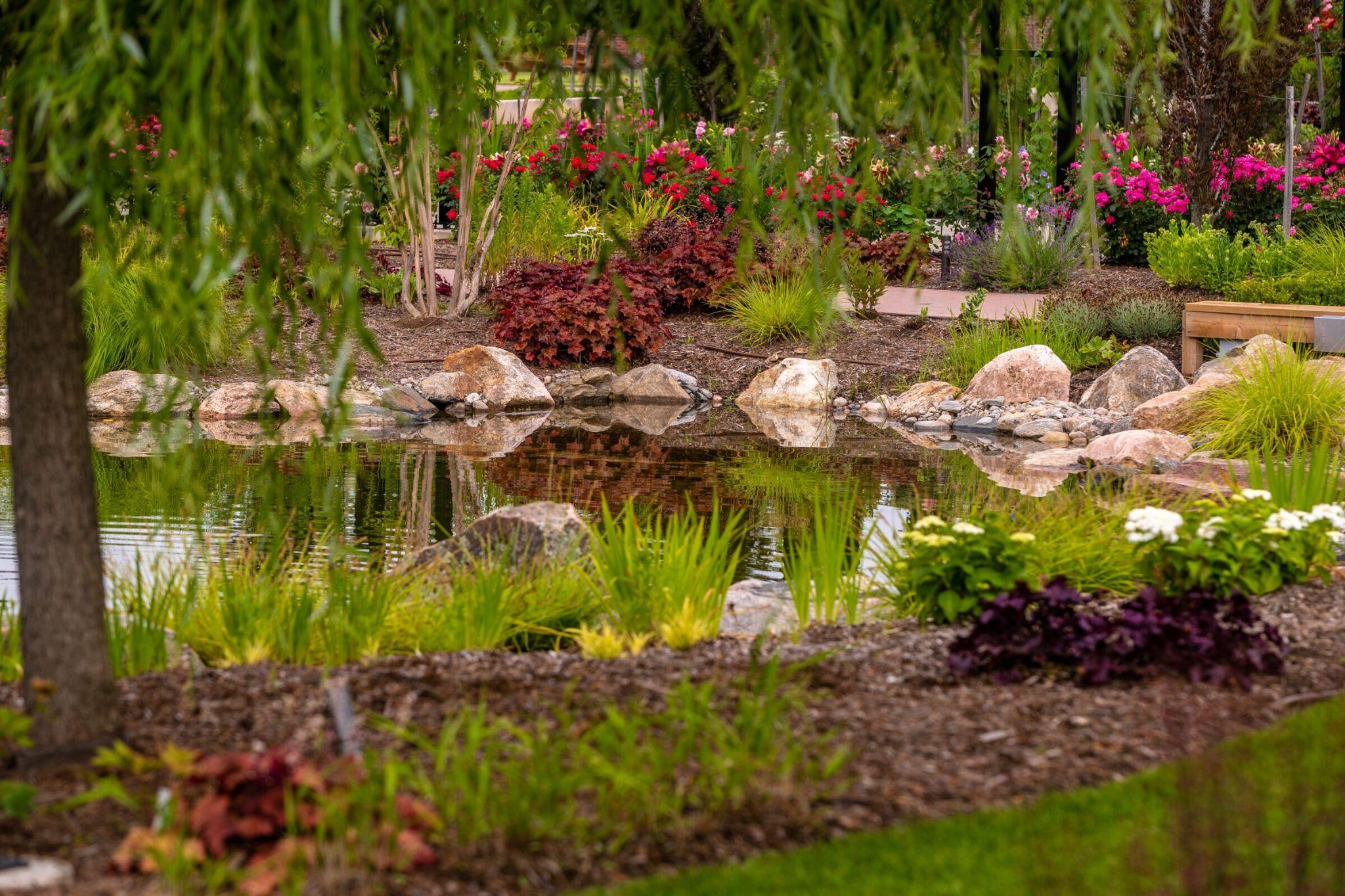
Clear water comes from balance: avoid overfeeding and overstocking fish, and aim for around half the surface covered by plants to provide shade and absorb nutrients. Feed fish once a day and only what they can eat quickly; excess food clouds the water and encourages harmful bacteria.
Use a mix of floating and submerged plants to shade the water and release oxygen. Thin out excess vegetation regularly to prevent oxygen depletion at night. Proper circulation ensures oxygen reaches all areas; choose a pump that circulates your pond’s volume every hour and supplement with an aerator if needed. Removing debris before it decays and keeping filters appropriately sized reduces nutrients and discourages algae. In hot weather, add shade or extra aeration to keep water cool and maintain dissolved oxygen.
Maintaining Your Pond Filter And Pump
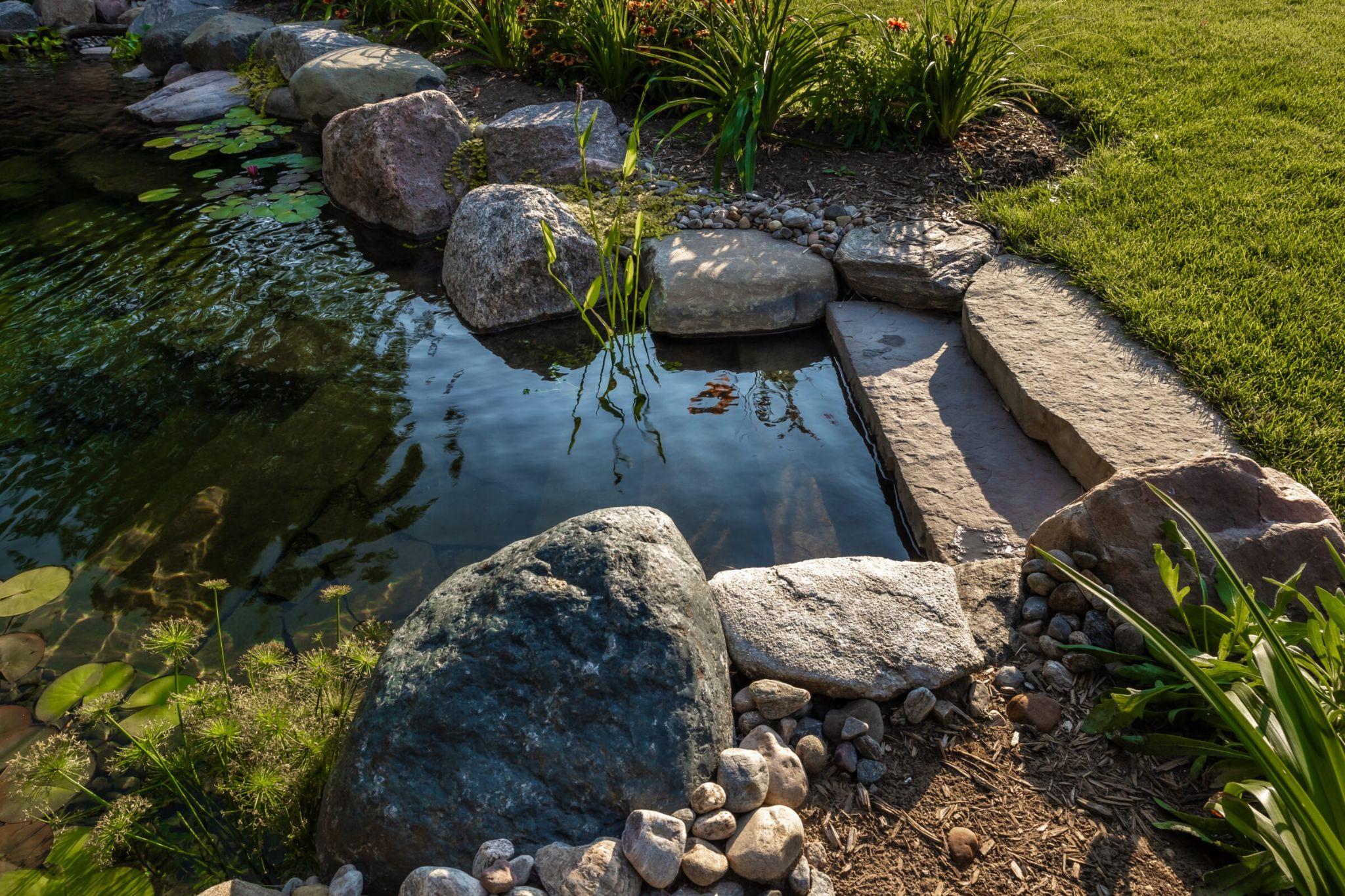
Your filtration system is the heart of the pond, removing waste and circulating oxygen. Mechanical filters trap leaves and waste; rinse or replace pads regularly so they don’t clog. Biological filters house beneficial bacteria that convert ammonia and nitrites into nitrates; never clean them with tap water because chlorine kills the microbes. Swish them gently in a bucket of pond water during your monthly pond maintenance.
Pumps need attention, too. Check them monthly, remove any debris from the intake and confirm that flow rates are steady. A pump that vibrates or grinds may be clogged or failing. Size your pump so it circulates the entire pond volume at least once an hour, and adjust if you add waterfalls or streams. In cold climates, remove and store pumps indoors for winter; in milder areas, you can leave them running year‑round. Investing time in fish pond maintenance and equipment care saves you from costly breakdowns and keeps your aquatic life healthy.
Seasonal Pond Care Year‑Round Maintenance Tips
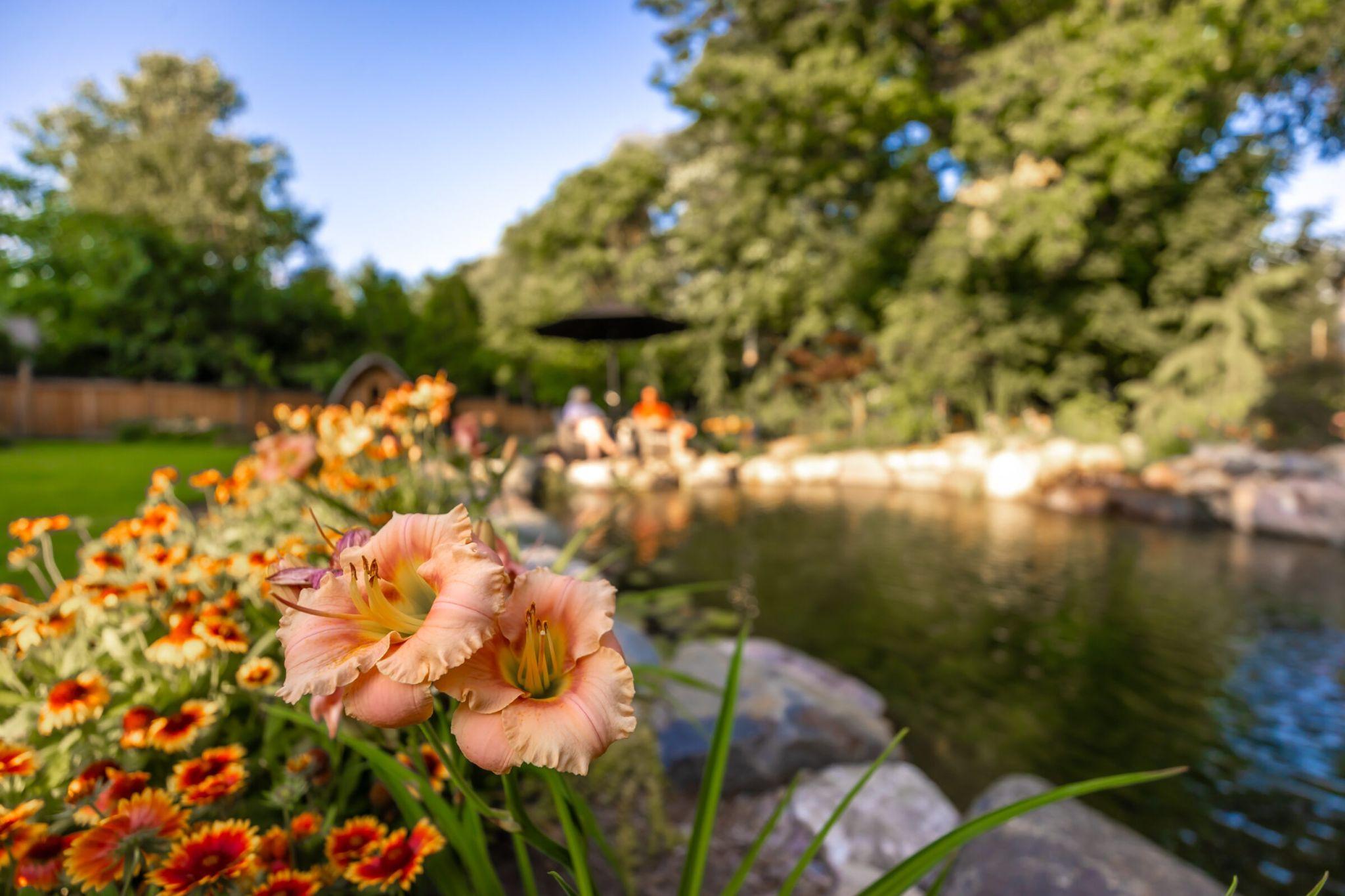
Your pond’s needs change with the seasons, and adapting your routine keeps everything thriving. Seasonal adjustments aren’t optional; they ensure your pond looks its best and that plants and fish remain healthy despite changing temperatures. Adapting your pond maintenance routine to the changing seasons ensures your pond remains healthy and beautiful year‑round. Temperatures, daylight hours and plant growth vary widely throughout the year, and your pond’s needs shift accordingly. Planning for each season helps you avoid surprises and keeps your fish and plants thriving.
Spring
Spring is a good time for a full clean. Remove accumulated debris, rinse gravel and rocks and check equipment for wear. Inspect pumps and filters, and trim perennials as new growth appears. As temperatures rise, fish gradually transition from winter to summer food. A thorough spring refresh sets the tone for the year. Once the major clean is complete, divide and repot overgrown water lilies and marginal plants, adding aquatic soil and fertilizer as needed. Remove any netting installed for winter and consider adding floating rings or aerators to mix the water column. Start your biological filter with a dose of beneficial bacteria. Take your time bringing pumps and waterfalls back online; sudden rushes of cold water can shock fish. These extra steps give your pond a strong start to the growing season.
Summer
Summer brings warm water and increased fish activity. Focus on aeration to keep temperatures down and thin plants to prevent overcrowding. Remove algae blooms promptly and observe your pond daily to catch problems early. Hot weather also increases evaporation, so check water levels daily and top up as necessary. Provide shade with aquatic plants, pergolas or shade sails to keep water temperatures stable. Monitor fish for signs of heat stress, such as gasping at the surface, and add aeration if dissolved oxygen drops. You might also need to deter predators like herons, raccoons and cats; installing decoys, motion‑activated sprinklers, or protective netting helps keep your fish safe. Summer is a time to enjoy your pond, but staying vigilant ensures problems don’t develop unnoticed.
Fall
In the fall, skim leaves often and prune hardy aquatic plants. Move tender species indoors or compost them before they rot. Reduce feeding as fish metabolism slows, and consider hiring a professional to prepare for winter by checking equipment and installing netting to catch falling leaves. When autumn temperatures drop below 12 °C, switch fish to a wheat‑germ‑based food that is easier to digest in cooler water. Remove or shorten tubing for waterfalls to prevent ice dams and ensure hoses drain completely. Install a leaf net over the entire pond before major leaf fall to prevent excessive debris from settling on the bottom; secure it tightly so wind doesn’t blow it into the water. Cut back hardy plants to just above the crown, leaving enough stem to protect them from freeze damage, and sink potted lilies to the deepest part of the pond. These preparations reduce workload in early winter and protect your pond’s inhabitants.
Winter
Effective winter pond care includes shutting down waterfalls and fountains, installing a de‑icer and aerator, and keeping a hole open in the ice for gas exchange. During winter, prepare your pond for freezing conditions. Shut down waterfalls and fountains, remove and clean pumps if necessary and install a de‑icer and aerator to allow gas exchange. Use a net or cover to keep leaves out, and keep a hole open in the ice to release gases. Check edges and equipment periodically so winter doesn’t cause damage. These winter steps keep your pond maintenance on track for ponds, readying them for spring.
Preparing your pond for the cold season is vital to protect aquatic life and equipment, but it can be time-consuming and complex. For many pond owners, the safest and most convenient option is to rely on professionals for winter pond maintenance. Experts can handle the delicate process of safely removing and storing pumps and UV lights, ensuring they aren’t damaged by freezing temperatures. They also correctly install de-icers and aerators, crucial steps for maintaining an open hole in the ice to facilitate necessary gas exchange. A professional service ensures that all lingering debris is removed before the heavy freeze, preventing sludge buildup that compromises water quality in spring. By entrusting winterization to experts, you eliminate the guesswork, protect your investment, and ensure your pond is perfectly positioned for a healthy start when the spring thaw arrives.
Caring For Pond Fish And Plants
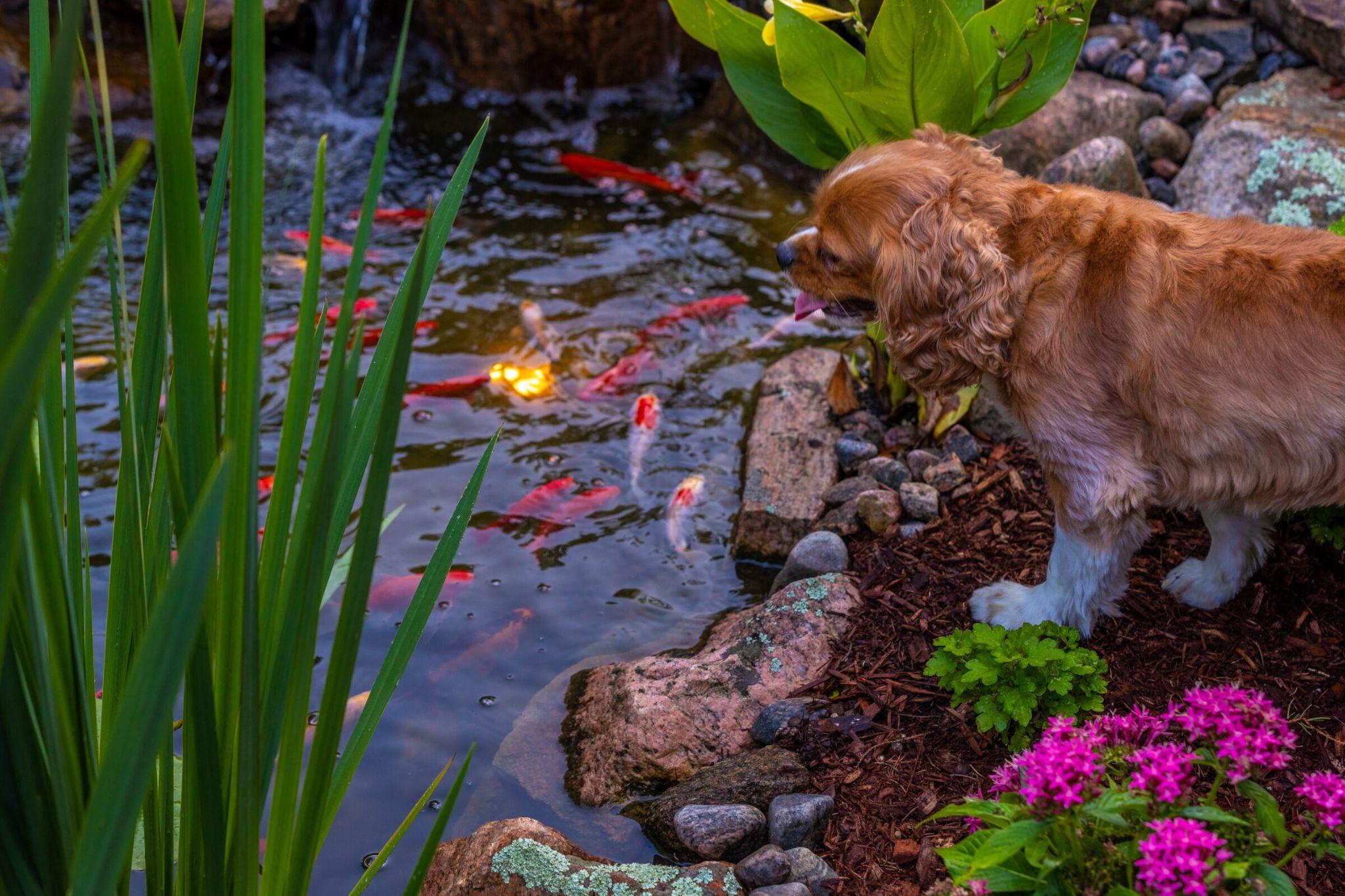
Your pond’s appeal comes from healthy fish and lush plants. Feed fish lightly. This typically is two to four times a day in warm weather and less often when temperatures exceed 30 °C. We recommend you stop feeding them entirely when the water drops below 10 °C because koi and goldfish hibernate. Uneaten food rots quickly, producing ammonia and stressing fish, so remove leftovers promptly.
Avoid overcrowding by limiting fish numbers. Many fish create waste faster than filters can handle; maintenance tasks help fish ponds. Plants provide shade and natural filtration; keep their coverage under half the surface, and remove dead stems regularly. Move tropical species indoors before frost and trim hardy plants in fall.
Fish behaviour signals water quality; koi ponds need maintenance. During breeding season, koi and goldfish may chase each other vigorously and disturb plants; providing spawning mats or floating plants gives them a safe place to lay eggs without uprooting your landscape. Protect fish from predators by installing shallow areas with hiding spots like clay pots and rock caves. Netting or wire grids placed across the pond surface also deters birds and mammals. If you notice fish flashing, gasping or isolating themselves, review your pond maintenance routine. Early intervention prevents disease outbreaks and keeps your fish colourful and active.
Aquatic plants need nutrients too, but fertilize them carefully so you don’t trigger algae blooms. Use slow‑release fertilizer tablets inserted into the soil of potted lilies and lotuses, and apply according to package directions. Hardy marginals like cattails and irises often thrive without additional feeding, while tropical plants benefit from extra nutrients. Consider adding oxygenators such as hornwort and anacharis; these submerged species absorb nutrients and release oxygen, helping to maintain balance. Always quarantine new plants to prevent introducing pests like snails, duckweed or invasive weeds into your pond. Choosing the right mix of plants and caring for them properly keeps your aquatic garden vibrant and reduces the need for frequent pond maintenance in the long run.
When To Call A Pond Care Professional
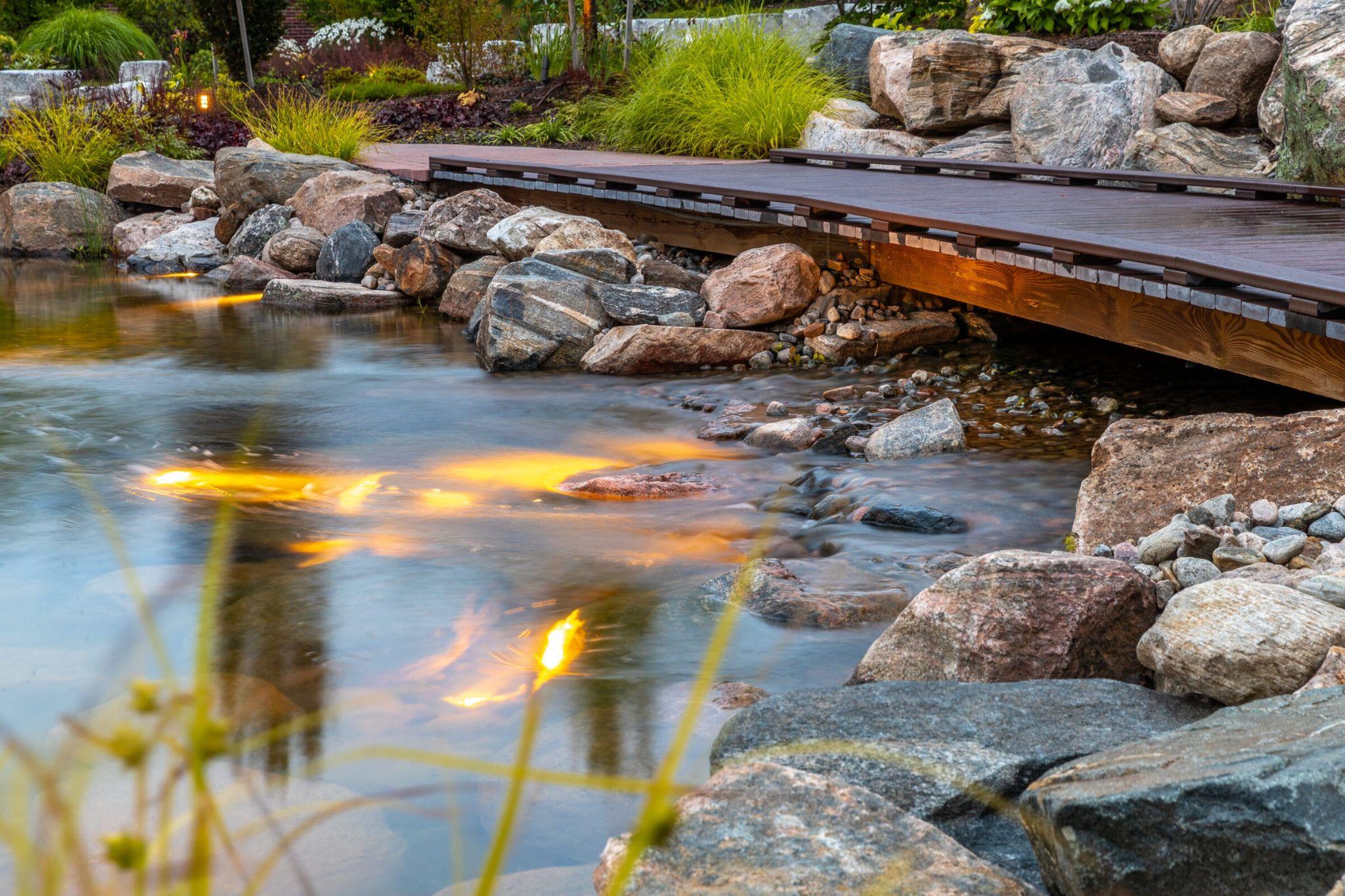
Some situations warrant professional help. Stubborn leaks, severe algae blooms, malfunctioning pumps or unexplained fish deaths can be challenging to diagnose, and professionals have the tools and experience to identify hidden problems quickly. Annual deep cleanings are also best left to experts because catching fish safely and cleaning large ponds requires skill and specialized equipment. If your schedule doesn’t allow for regular upkeep, hiring help keeps your pond healthy and saves time and frustration. When you’re ready to upgrade your pond or need reliable care, explore pond maintenance packages for ponds and ponds with waterfalls to see how a custom feature can transform your landscape. Professionals can also repair electrical components and redesign features like waterfalls or bog filters to ensure safety and compliance.
Thoughtful care keeps your pond clean, clear and thriving through every season. Regular skimming, responsible feeding, and partial changes form the core of an effective routine. Balanced plant cover and properly sized pumps and filters maintain water clarity, while seasonal adjustments prepare your ecosystem for changes in temperature and weather. Caring for fish and plants ensures your pond remains a living, vibrant space. By choosing a partner who values quality and relationships, you gain peace of mind and confidence that your water feature will thrive for years. Maintaining a pond isn’t about perfection; it’s about consistency and observation. Small actions, such as scooping out a handful of leaves or taking a quick pH reading, add up over time. By paying attention to the details, you prevent small issues from turning into costly repairs. When complex issues arise or you need a thorough annual clean, professional help gives peace of mind. Whether you’ve just built your pond or have enjoyed it for years, investing in its care means you’ll reap the benefits for decades. Ready to nurture your water feature? Your pond maintenance deserves expert care. Book a consultation and let professionals guide you toward a healthy, beautiful pond all year long.
Summary
Consistent pond maintenance, including treating the water feature as a living system, is crucial for its health. Routine care is divided into weekly tasks (skimming debris, feeding) and monthly tasks (adding beneficial bacteria, equipment/plant inspection). A deep clean is typically needed once a year. Maintaining clear water involves balanced fish stocking, moderate feeding, sufficient plant cover, and proper circulation/filtration. Seasonal adjustments are essential: spring involves a full clean; summer requires focusing on aeration and shade; fall demands frequent skimming and reduced feeding; and winter involves equipment storage and maintaining gas exchange with a de-icer. Proper fish and plant care, avoiding overfeeding and overcrowding, is key. Professionals should be called for major issues, annual deep cleans, or when regular upkeep is difficult. Consistency and observation ensure long-term pond health.
Tags: