
8 Pond Maintenance Tips to Keep Your Pond Healthy
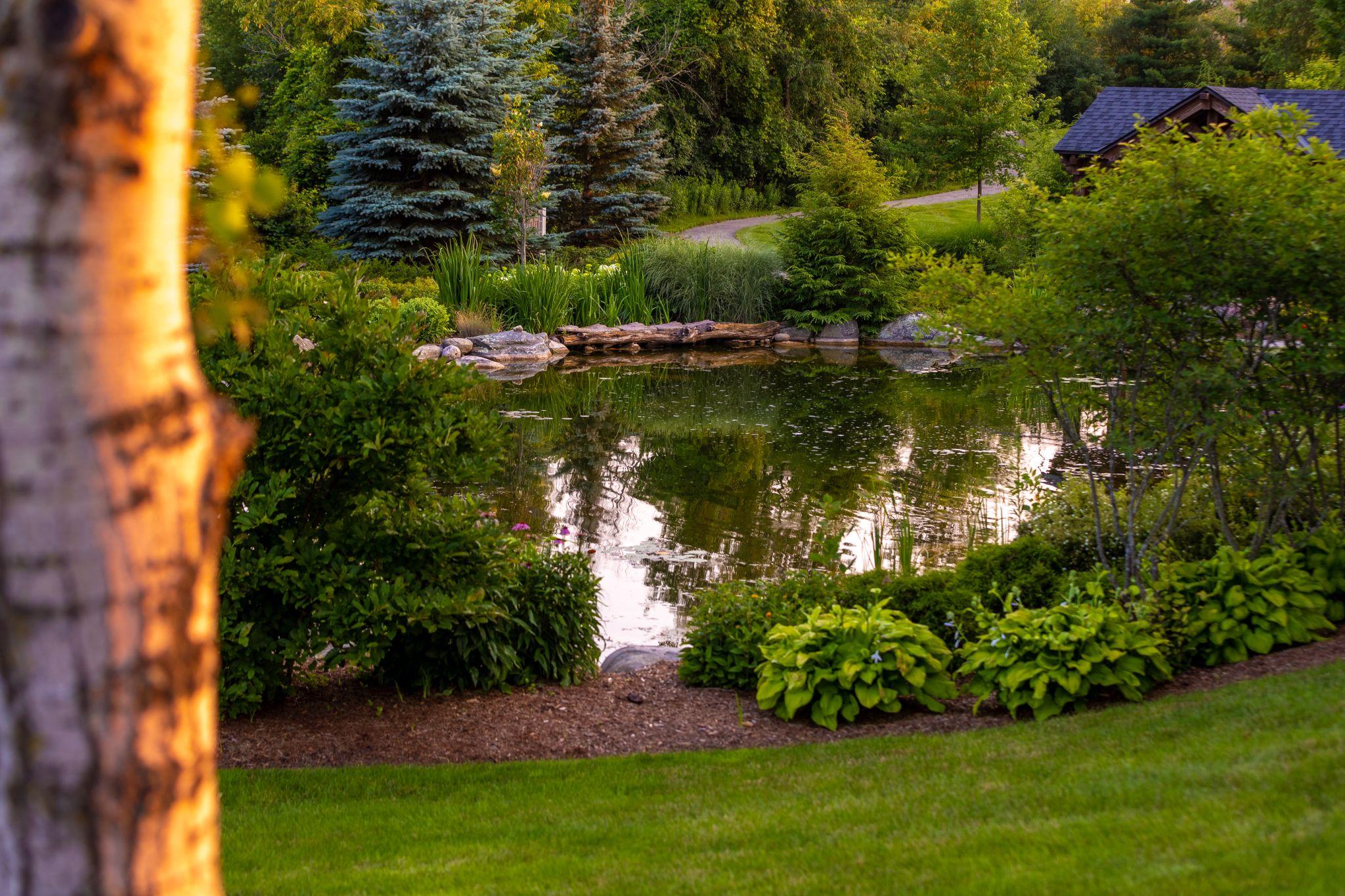
A backyard pond brings movement, life, and calm into your outdoor space, yet many pond owners find that keeping everything balanced feels harder than expected. Water that once looked clear may become cloudy. Leaves collect faster than you planned. Fish behaviour changes. These issues often develop gradually, making them easy to overlook until they affect the entire pond.
When maintenance feels uncertain, it is common to react instead of plan. You try one solution, then another, without knowing what truly helps. Over time, this leads to frustration and inconsistent results. The pond starts to feel like work instead of something you enjoy.
Clear routines remove that stress. By following practical pond maintenance tips, you support steady water conditions, healthier fish, and predictable care throughout the seasons. This guide breaks those habits into simple steps so you can care for your pond with confidence and consistency.
1. Skim Leaves And Debris Regularly
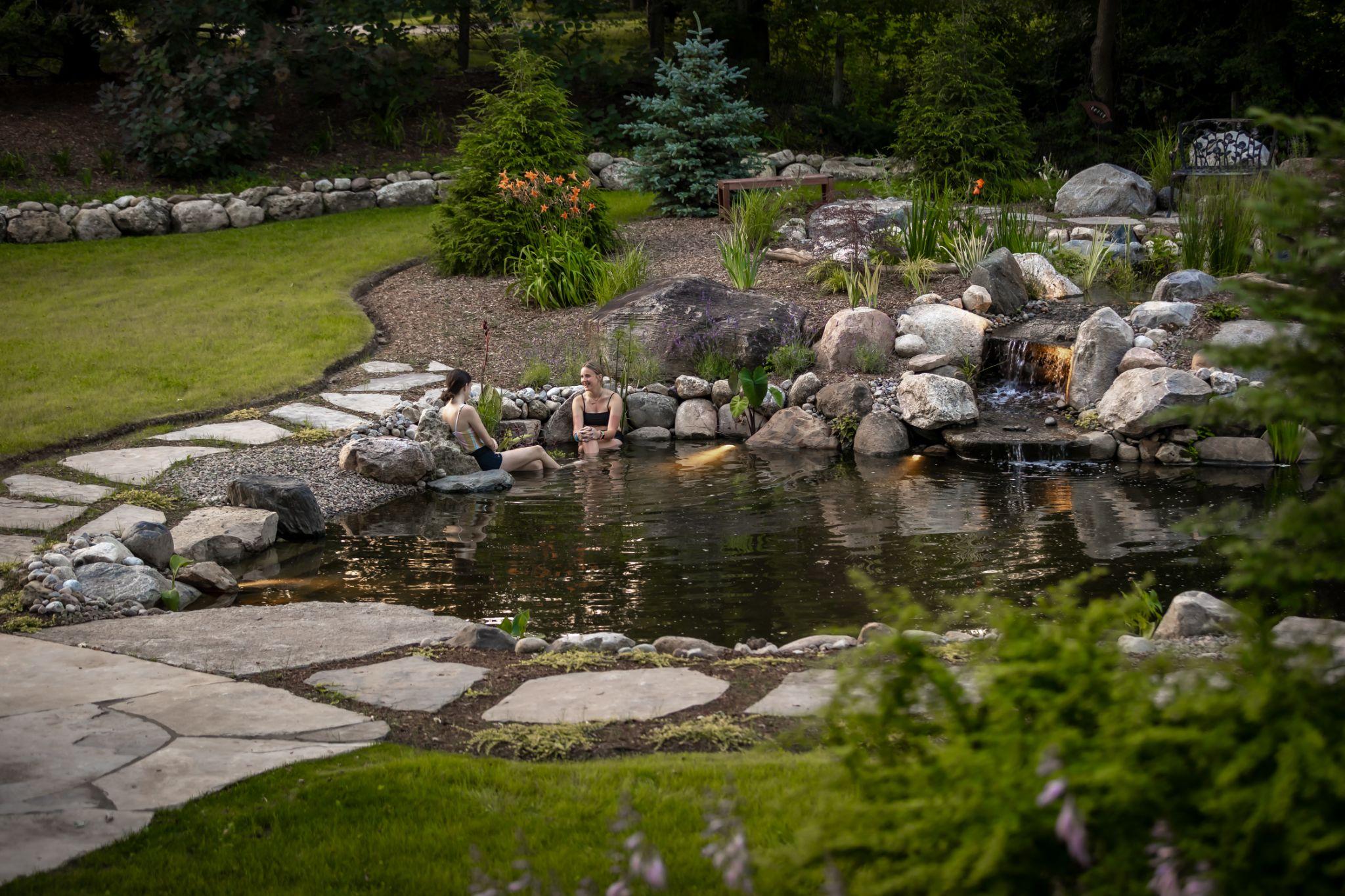
Leaves and surface debris are one of the most common contributors to long-term pond issues. Wind, rain, and nearby plants constantly introduce organic material into the water. When this debris remains on the surface too long, it sinks and begins to break down, creating sludge that affects clarity and oxygen levels.
Regular skimming prevents this process before it starts. Among dependable pond maintenance tips, this habit reduces nutrient buildup and keeps your system balanced. Removing debris early also lowers the workload on your filtration system, allowing it to operate more efficiently.
You may notice that fish remain more active and water stays clearer when debris is managed consistently. Seasonal changes, especially fall, become easier to handle when skimming is part of your routine. This approach supports steady conditions rather than reactive cleanups.
By staying ahead of debris, you create a cleaner environment that supports long-term pond health and makes other care tasks easier to manage.
For a deeper look at routine debris removal and seasonal care, read our comprehensive pond maintenance guide.
2. Maintain Your Pond Filter And Pump

Your pond’s filter and pump work continuously to circulate water and support oxygen levels. When these components slow down or become partially blocked, water quality can decline quickly. Even small obstructions can significantly impact the efficiency of waste processing.
Routine inspection is a key part of reliable pond maintenance tips. Filters should be checked regularly and cleaned using pond water to preserve beneficial bacteria. Pump intakes should remain free of leaves, algae, and sediment to maintain consistent water flow.
Proper pond filter maintenance supports natural biological processes that help maintain balanced nutrient levels. When circulation is steady, debris remains suspended long enough to be filtered out, rather than settling to the bottom.
Consistent care of your pump and filter reduces sudden changes in water conditions. It also helps your pond handle seasonal shifts more smoothly, creating a stable environment for fish and plants throughout the year.
To learn more about ongoing system care and circulation basics, refer to our comprehensive pond maintenance guide.
3. Monitor Water Quality And Clarity
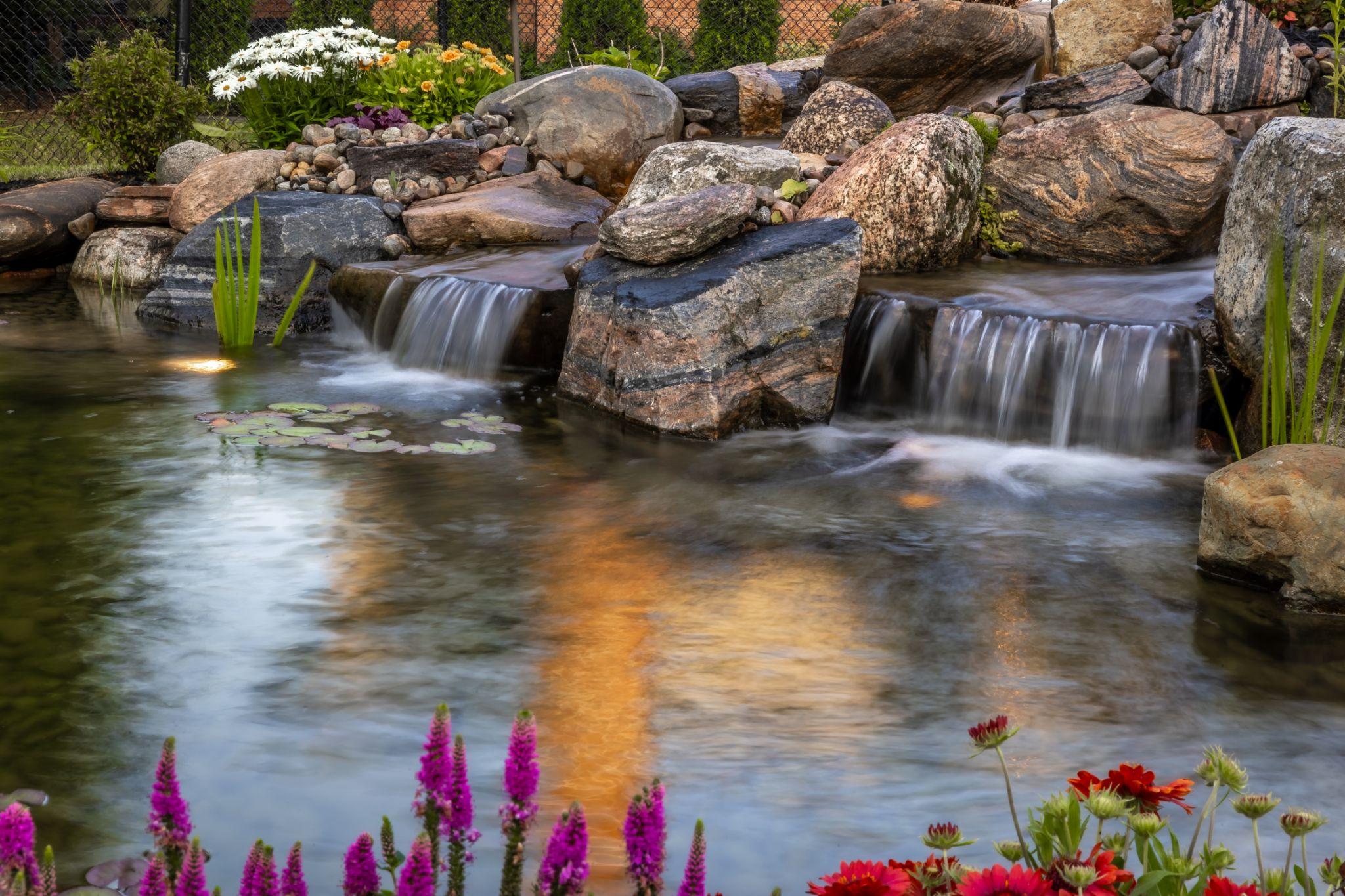
Is your pond water clear, or is it turning green?
Clear water is usually a sign your pond is in balance. Green water often means excess nutrients are feeding algae growth. The key to preventing bigger issues is consistent monitoring.
Make it a habit to:
- Observe water clarity weekly. Sudden cloudiness or a green tint is an early warning sign.
- Watch your fish. Sluggish movement or gasping at the surface can signal poor water quality.
- Adjust feeding as needed. Overfeeding is one of the most common causes of green water.
- Check circulation and filtration. Proper water movement supports oxygen levels and reduces buildup.
If your pond is starting to look green, reduce feeding, remove debris, confirm your filtration is working properly, and consider a small partial water change to help restore balance.
Clear water is rarely the result of constant intervention, it’s the result of paying attention. When you consistently monitor water quality, you protect your fish, support healthy plant growth, and keep your pond looking its best throughout the season.
4. Control Algae Growth Naturally
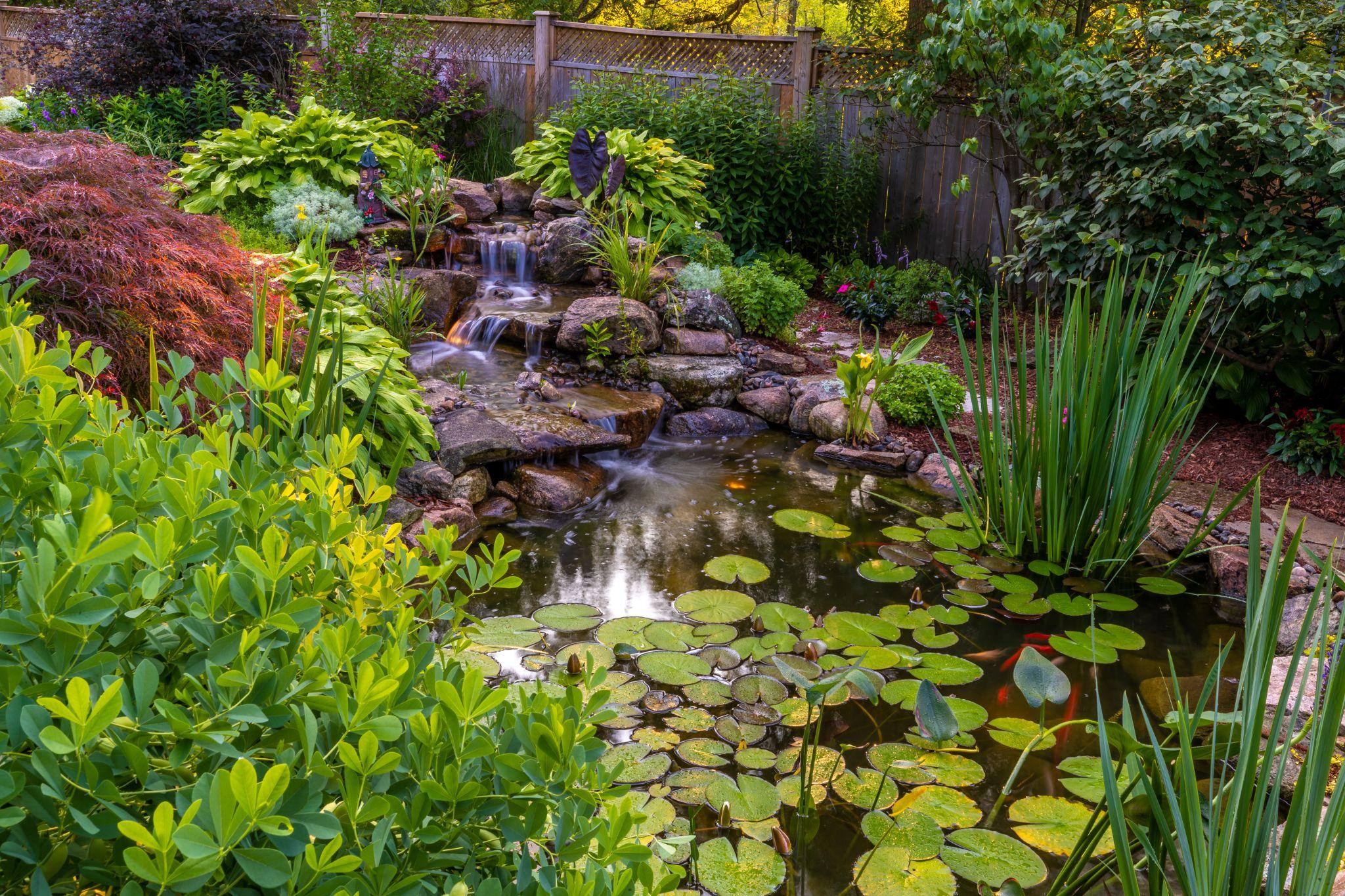
Algae is a natural part of any pond ecosystem, yet excessive growth signals imbalance. Algae thrives when nutrients and sunlight are abundant. Managing these factors is the foundation of effective pond algae control.
Natural solutions focus on prevention. Aquatic plants absorb nutrients that algae would otherwise use. Shade limits intense sunlight during warmer months. Beneficial bacteria help break down organic waste before it feeds algae.
These pond maintenance tips work together gradually, supporting clarity without disrupting fish or plant health. Harsh treatments often solve one problem while creating another, whereas natural methods support long-term balance.
When algae growth is managed through steady care, your pond remains easier to maintain and visually appealing. Gentle approaches protect the ecosystem while reducing recurring issues over time.
For additional insight into natural balance methods, refer to our comprehensive pond maintenance guide.
5. Don’t Overfeed Your Fish
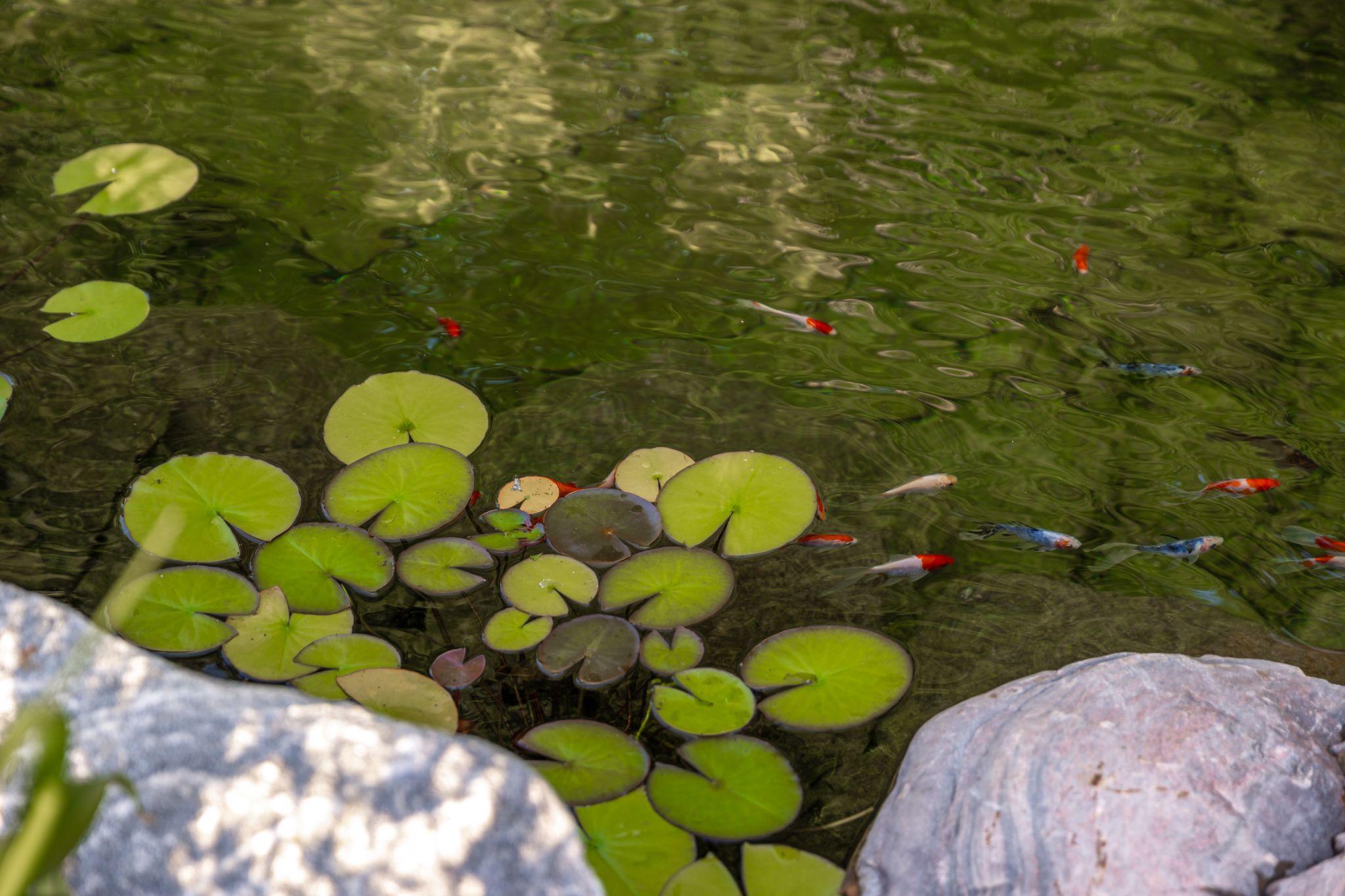
Fish feeding habits directly affect water conditions. Uneaten food sinks quickly and begins to decay, adding nutrients that contribute to cloudy water and algae growth. Feeding more does not lead to healthier fish.
One of the most effective pond maintenance tips is feeding only what fish consume within a few minutes. This reduces waste and supports stable water quality. Observing fish during feeding also helps you understand their behaviour and health.
Seasonal changes matter. As water cools, fish digestion slows and feeding needs decrease. Adjusting portions prevents unnecessary buildup and supports consistent backyard pond care.
Mindful feeding habits reduce strain on filtration systems and help maintain a balance. This simple routine supports clearer water and healthier fish throughout the year.
For more information on feeding routines and seasonal adjustments, visit our comprehensive pond maintenance guide.
6. Trim And Care For Aquatic Plants
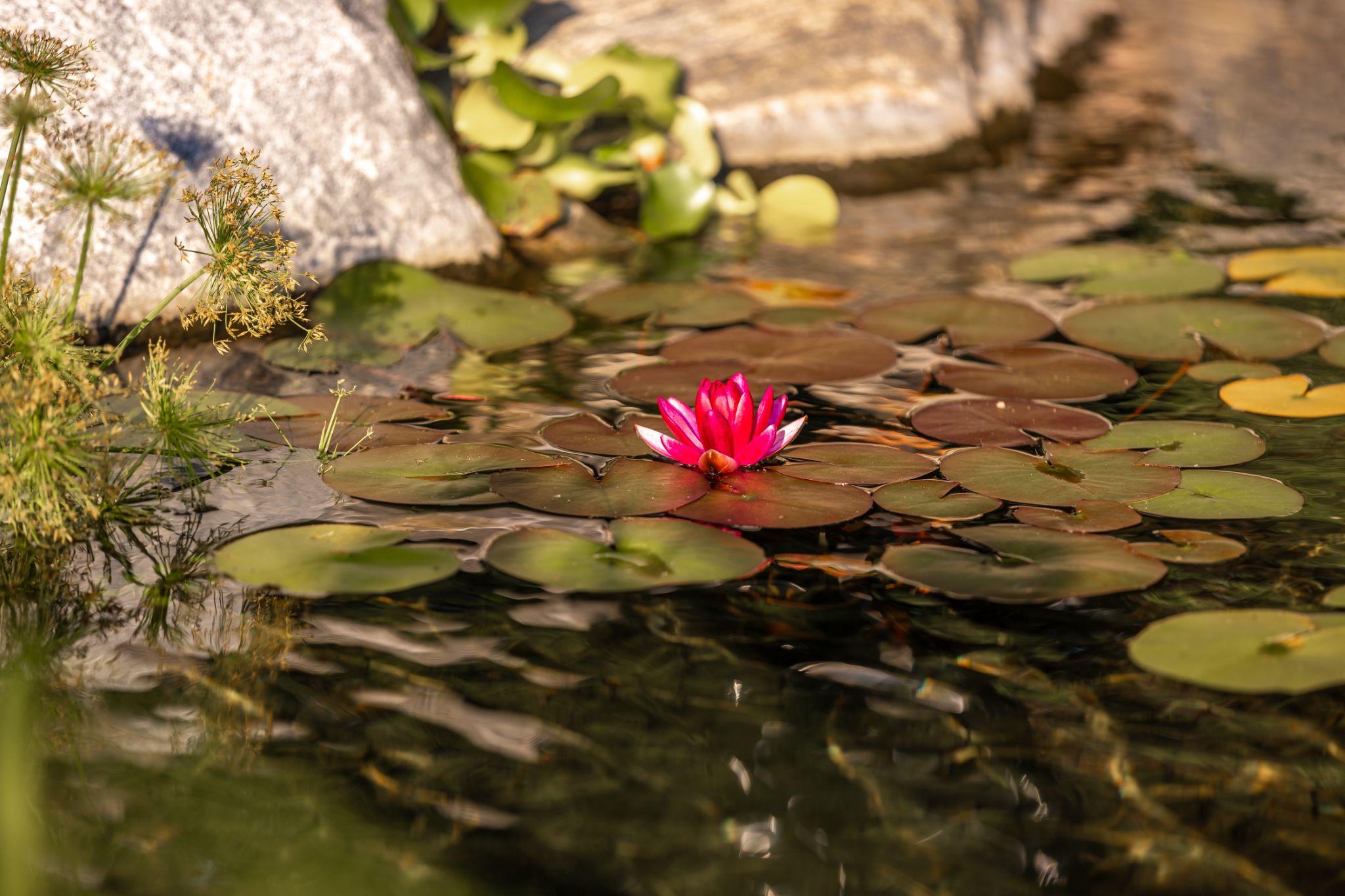
Aquatic plants play a crucial role in maintaining oxygen levels and balancing nutrients. Without regular care, dead leaves and overgrowth contribute to the accumulation of debris and reduced circulation.
Trimming plants encourages healthy growth and removes decaying material before it affects water quality. These pond maintenance tips also support pond algae control by limiting excess nutrients.
Seasonal pruning improves both function and appearance. Plants remain better distributed, allowing water to move freely through the pond. Healthy growth supports clarity and reduces maintenance demands later.
Consistent plant care supports long-term backyard pond care by keeping the ecosystem balanced. When plants are maintained thoughtfully, they work in harmony with your pond, rather than creating additional challenges.
Regular plant care also helps you spot potential issues early. When plants are trimmed and observed closely, it becomes easier to notice signs of decay, overcrowding, or uneven growth.
Addressing these changes promptly prevents them from affecting water conditions later. Well-maintained plants also allow better light penetration and water movement, which supports overall balance. Over time, this attention helps your pond settle into a more stable rhythm. Rather than reacting to excess growth, you maintain control through steady care. This approach reduces seasonal surprises and helps your pond remain visually clean and manageable throughout the year.
To understand how plant care supports overall pond health, review our comprehensive pond maintenance guide.
7. Add Beneficial Bacteria
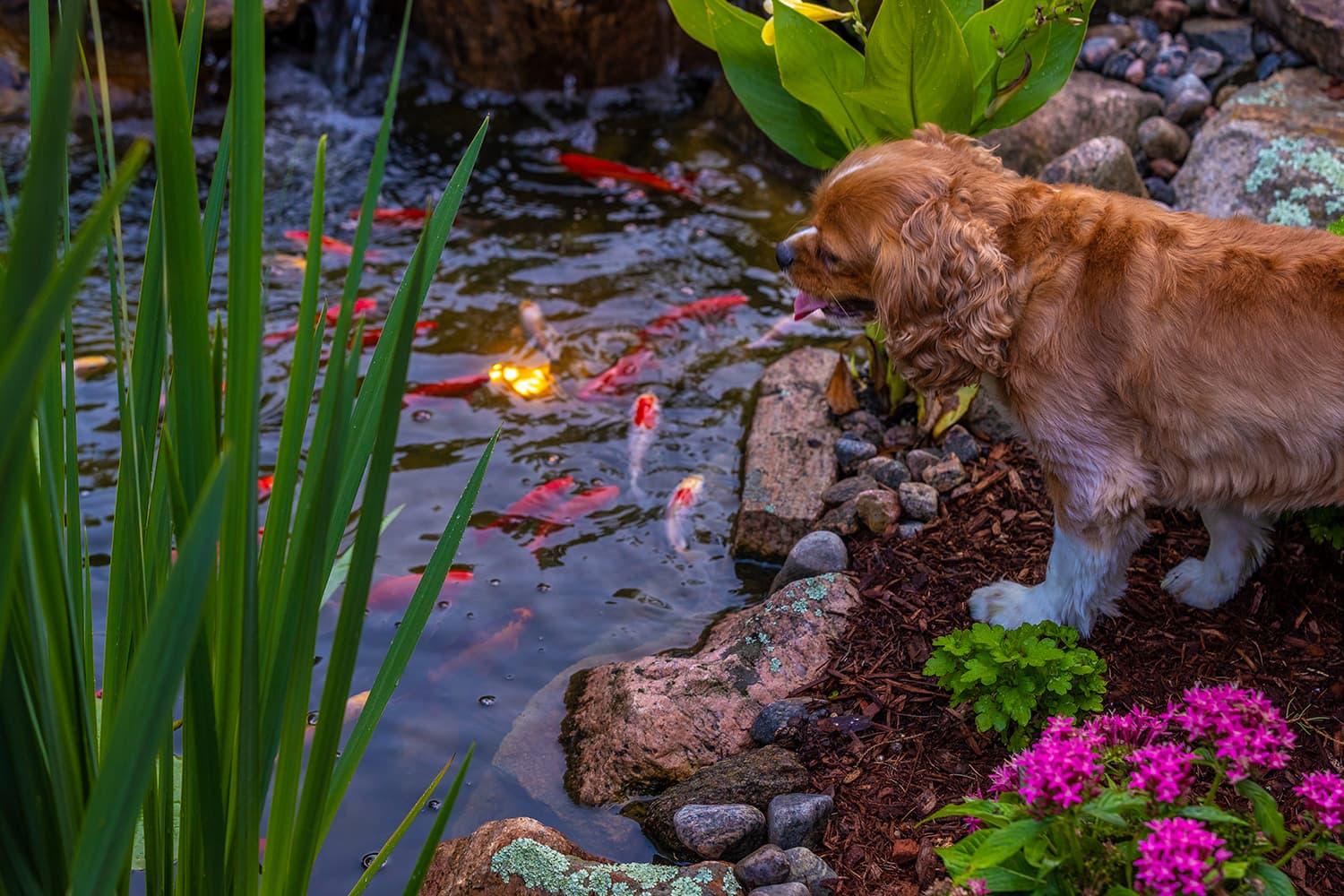
Beneficial bacteria are essential helpers in any pond ecosystem. They break down organic waste and sludge, reducing the amount of material that accumulates at the bottom of the pond.
Adding bacteria regularly is one of the easiest and most effective pond maintenance tips to follow. These microorganisms support natural filtration, reducing the load on mechanical systems. They also help stabilize water conditions after debris removal or seasonal transitions.
Bacterial treatments support pond cleaning tips that focus on prevention rather than correction. They work quietly in the background, processing waste before it causes imbalance.
When used consistently, beneficial bacteria contribute to easy pond maintenance and help your pond recover more quickly after routine care.
For further explanation on biological balance and natural support systems, see our comprehensive pond maintenance guide.
8. Prepare Your Pond For Winter
Preparing your pond for winter is an important part of responsible pond ownership in Canada. As temperatures begin to drop, ponds need gradual adjustments to protect fish, plants, and equipment from prolonged cold conditions. Waiting too long can allow debris to decay under ice, which affects water quality when spring arrives.
Start by removing fallen leaves, excess plant material, and surface debris before freezing weather sets in. This limits organic buildup during winter dormancy. Feeding should slow as water temperatures cool and eventually stop once fish metabolism slows. Continuing to feed during cold conditions can lead to uneaten food and water quality issues.
Maintaining oxygen levels is also essential. Aeration or a pond heater can help keep a small opening in the ice, allowing gas exchange to occur. This supports fish health throughout the winter months without disturbing the pond’s natural cycle.
Thoughtful winter preparation helps your pond remain stable during cold weather and allows it to recover more smoothly in spring. Seasonal planning is one of the most reliable pond maintenance tips for protecting long-term pond health.
For step-by-step seasonal planning and cold-weather care, refer to our comprehensive pond maintenance guide.
Long-Term Pond Care Starts With Consistent Support
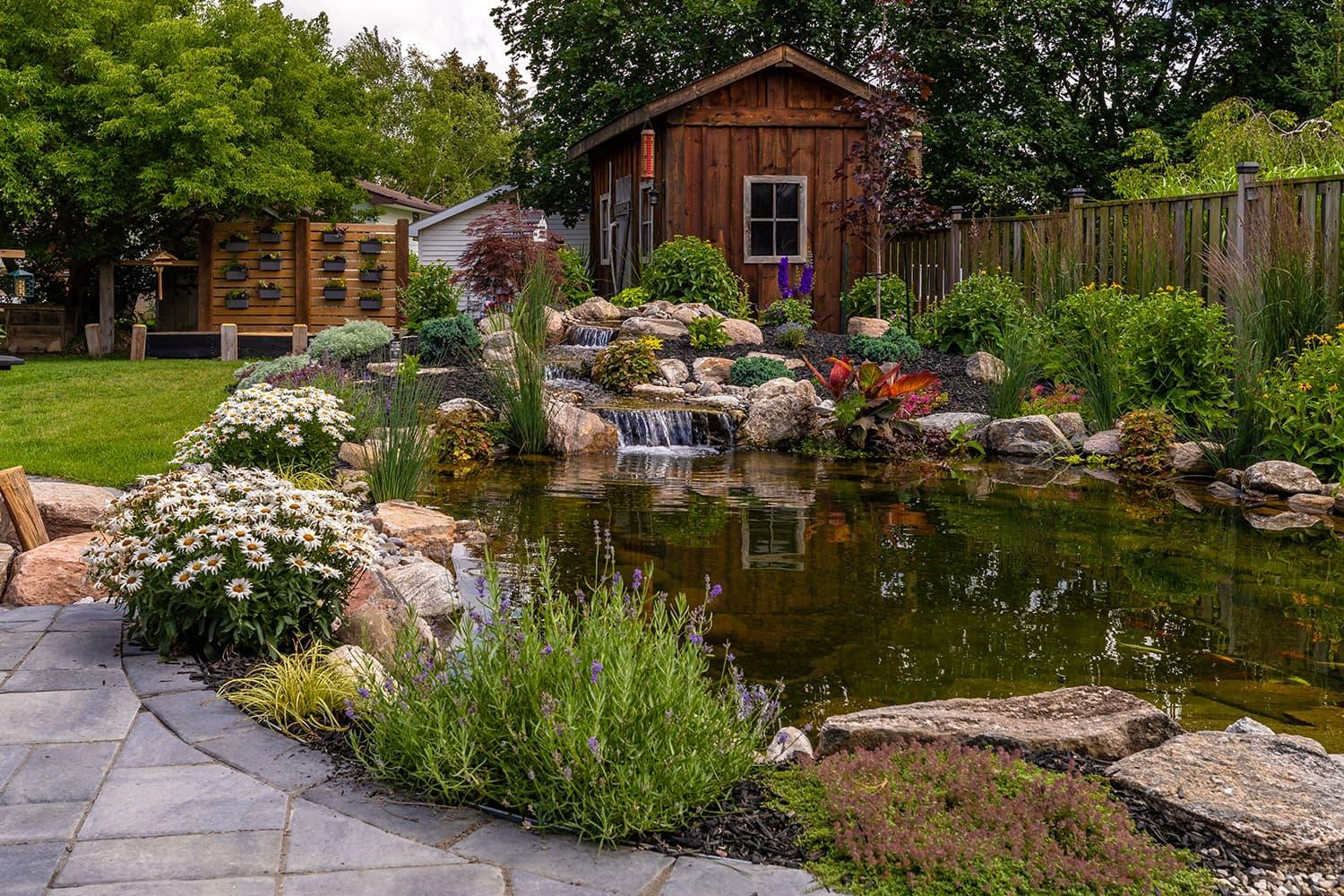
Caring for a pond over the long term is most effective when maintenance is proactive rather than reactive. Clear routines, seasonal awareness, and reliable guidance help prevent recurring issues and reduce uncertainty. When you understand what your pond needs throughout the year, caring for it becomes more predictable and far less stressful. Instead of reacting to problems as they appear, you can stay ahead of them with steady, informed decisions.
Long-term pond ownership is about consistency. Small actions taken at the right time help protect water quality, support fish health, and preserve the overall balance of your pond. This approach also reduces the risk of avoidable damage and the need for repeated fixes. When maintenance is handled properly, your pond remains something you enjoy rather than something you worry about.
Jackson Pond has supported pond owners for over 24 years by focusing on steady systems, quality workmanship, and strong client relationships. Our full-service design, build, and maintain approach reflects our commitment to doing the work properly from the beginning. Our philosophy stems from listening closely, walking clients through the process, and making recommendations tailored to each individual pond and property. Care is never rushed, and shortcuts are never part of the process.
Building long-term relationships matters to us. Clear communication and trust enable pond owners to feel confident in the ongoing care of their pond. This approach also helps avoid callbacks by ensuring work is done correctly and thoughtfully the first time.
If you want guidance that suits your pond and lifestyle, the next step is straightforward. Book a consultation to discuss your pond care needs with a team that values experience, effective communication, and dependable results.
Summary
Owning a pond is rewarding, but it also comes with ongoing responsibility. Clear water, healthy fish, and stable conditions are not accidental. They are the result of steady habits and thoughtful care over time. This guide was created to help pond owners understand what truly supports long-term pond health without unnecessary stress or confusion.
By following practical pond maintenance tips, you can prevent many common issues before they develop. Simple actions such as removing debris, monitoring water conditions, caring for plants, and preparing for seasonal changes all work together to support balance. When these tasks are handled consistently, your pond becomes easier to manage and more enjoyable to live with.
The goal of these pond maintenance tips is to help you feel confident in your routine. Rather than reacting to problems, you can maintain steady conditions that support fish, plants, and water clarity throughout the year. With a clear understanding of what your pond needs and when, care becomes predictable instead of frustrating. These pond maintenance tips provide a reliable foundation for maintaining a healthy pond that continues to bring enjoyment season after season.
Tags: